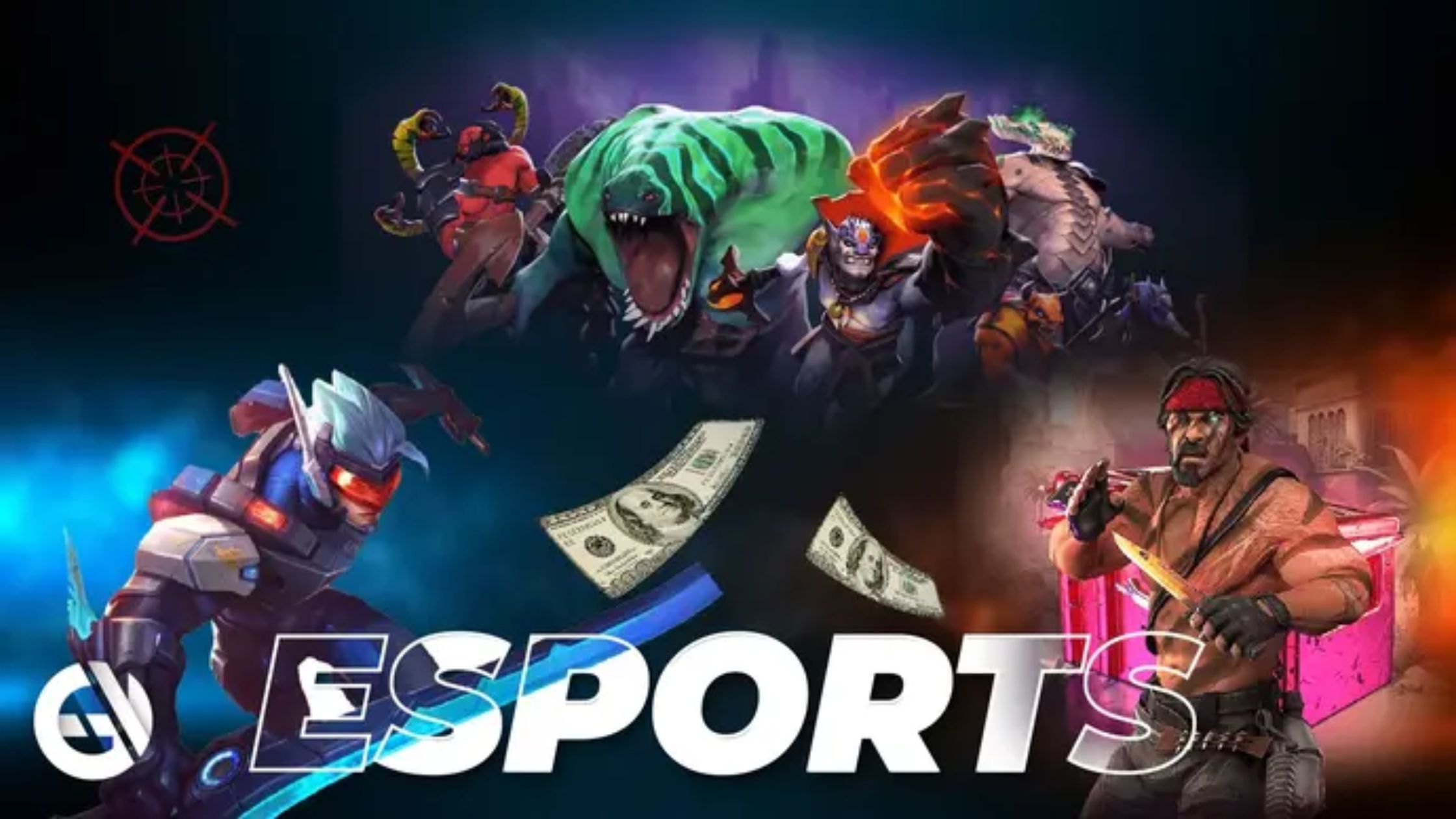
The esports industry has exploded into a multi-billion dollar market, but advertising esports games requires a completely different approach than traditional products. Gamers are savvy, ad-resistant, and demand authenticity.
This comprehensive guide covers proven strategies for effectively advertising esports games to reach and convert the right audience.
Understanding the Esports Audience
Before launching any campaign, understanding the target audience is critical. Esports fans are primarily aged 18-34, tech-savvy, highly engaged on social media, and skeptical of traditional advertising.
They value authenticity, community involvement, and genuine passion for gaming. Generic marketing messages fall flat with this audience. Success requires speaking their language and respecting gaming culture.
Strategy 1: Influencer and Streamer Partnerships
Influencer marketing dominates esports advertising. Top streamers and gaming influencers have dedicated followings who trust their recommendations more than any traditional ad.
Why It Works: Gamers watch streamers for hours daily. When a trusted influencer genuinely enjoys and recommends a game, their audience listens. Authentic endorsements convert far better than paid placements that feel forced.
Implementation: Partner with streamers who naturally fit the game’s genre. For competitive shooters, work with FPS streamers. For battle royales, engage with BR specialists. Match the influencer’s content style to the game’s tone.
Platforms to Focus: Twitch, YouTube Gaming, Facebook Gaming, and emerging platforms like Kick. Each platform has different demographics and engagement patterns.
Compensation Models: Sponsored streams where influencers play the game live, exclusive early access content, tournament participation with prize pools, affiliate programs with revenue sharing, and long-term brand ambassador partnerships.
Best Practices: Allow creative freedom. Scripted content feels inauthentic and damages both the brand and the influencer’s credibility. Provide early access to builds so influencers can create genuine content before public launch.
Strategy 2: Tournament Sponsorships and Hosting
Tournaments are the lifeblood of esports. Sponsoring or hosting competitive events puts games directly in front of passionate, engaged audiences.
Tournament Types: Online tournaments with global reach, LAN events for local community building, collegiate esports competitions, celebrity/influencer invitational tournaments, and seasonal leagues with championship finals.
Benefits: Massive exposure as viewers watch hours of gameplay, content creation opportunities as hundreds of clips and highlights get shared, community building through competitive play, and player acquisition as tournament participants become long-term users.
Implementation: Partner with established tournament organizers like ESL, BLAST, or DreamHack for credibility. Alternatively, create proprietary tournaments that build brand-owned competitive ecosystems.
Prize Pools: Competitive prize pools attract top talent and media attention. Even modest prize pools (₹1-5 lakhs for smaller games) generate significant participation and viewership.
Strategy 3: Social Media Advertising
While organic reach is valuable, paid social media advertising accelerates growth when executed properly.
Platform-Specific Approaches:
Twitter (X): Short gameplay clips, tournament announcements, patch notes, community highlights, and engagement with esports personalities. Twitter’s gaming audience is highly active and engaged.
Instagram: Visual content showcasing stunning graphics, character designs, victory moments, and behind-the-scenes development. Reels and Stories perform exceptionally well for gaming content.
TikTok: Short-form gameplay highlights, funny moments, trick shots, and trending audio integrations. TikTok’s algorithm can make gaming content viral overnight.
Facebook: Community building through groups, event promotion, live streaming integration, and retargeting campaigns for broad audience reach.
Reddit: Authentic community engagement in gaming subreddits. Paid ads work when they add value, but overt advertising gets downvoted. Focus on genuine participation and AMA (Ask Me Anything) sessions.
Creative Best Practices: Lead with action-packed gameplay footage within the first 3 seconds. Mobile-optimized vertical video performs better. User-generated content outperforms polished studio ads. Memes and humor resonate strongly with gaming audiences.
Strategy 4: YouTube Marketing
YouTube remains essential for gaming content discovery and long-term engagement.
Content Types: Game trailers and cinematics that showcase the game’s world and story. Gameplay tutorials and guides that provide value to players. Developer diaries showing behind-the-scenes development. Patch update videos explaining new features and changes. Competitive match highlights from tournaments.
Advertising Options: Pre-roll ads before gaming content (skippable and non-skippable). Discovery ads appearing in search results and related videos. Sponsored content partnerships with gaming channels. YouTube Shorts for viral short-form content.
Optimization: Target viewers of similar games and competitive titles. Use demographic targeting for the game’s specific age range and interests. Exclude children’s content to avoid wasted impressions. Create compelling thumbnails that stand out in crowded feeds.
Strategy 5: Twitch and Streaming Platform Advertising
Twitch is the dominant platform for live gaming content, making it essential for esports game advertising.
Advertising Methods: Display ads and video ads shown to viewers. Sponsored streams where streamers play the game for their audience. Twitch Drops that reward viewers with in-game items for watching. Custom emotes and channel points integrations. Homepage takeovers for major launches.
Community Engagement: Interactive extensions that let viewers engage during streams. Chat integrations encouraging discussion about the game. Streamer early access programs building anticipation. Community challenges and achievements.
Success Factors: Authenticity is paramount. Forced promotions backfire spectacularly on Twitch. Partner with streamers who genuinely enjoy the game’s genre. Provide value to viewers, not just promotional messages.
Strategy 6: Content Marketing and SEO
Organic search traffic provides sustainable, long-term player acquisition.
Content to Create: Comprehensive game guides and tutorials ranking for “how to play [game]” searches. Character tier lists and meta analysis. Patch note breakdowns and update summaries. Esports news and tournament coverage. Strategy articles from competitive players.
SEO Optimization: Target keywords like “[game name] tips,” “best characters in [game],” “[game] beginner guide,” and “[game] download.” Create landing pages optimized for game-specific searches. Build backlinks through press coverage and influencer mentions.
Blog Strategy: Regular content updates keep the website fresh for search engines. Answer common player questions to capture voice search queries. Create evergreen content that remains relevant for months or years.
Strategy 7: Gaming News and Media Outlets
Earned media through gaming publications provides credibility and broad reach.
Target Publications: Major outlets like IGN, GameSpot, Kotaku, and Polygon. Regional gaming sites serving specific markets. Esports-focused media like Dot Esports and The Esports Observer. Niche sites covering specific game genres.
PR Strategies: Exclusive previews for select journalists building relationships. Press releases for major updates, tournaments, and milestones. Developer interviews providing behind-the-scenes insights. Early review codes for credible critics.
Newsworthy Angles: Unique gameplay mechanics or innovative features. Large prize pool tournaments and competitive scenes. Player achievement stories and community highlights. Updates addressing player feedback showing responsiveness.
Strategy 8: Discord Community Building
Discord has become the central hub for gaming communities. Building an active Discord server creates loyal, engaged players.
Server Features: Channels for different topics (general chat, strategy, bug reports, fan art). Voice channels for squad formation and competitive teams. Bot integrations for match tracking and statistics. Exclusive announcements and early information. Direct communication between developers and players.
Community Management: Active moderation maintaining positive environments. Regular events like tournaments, contests, and giveaways. Developer Q&A sessions and AMAs. Recognition programs for active community members.
Growth Tactics: Promote the Discord server in-game and on all marketing channels. Partner with influencers who invite their audiences. Create exclusive Discord-only perks like cosmetic items or early access.
Strategy 9: Paid Advertising on Gaming Platforms
Direct advertising on gaming platforms reaches audiences already engaged with gaming content.
Platform Options: Steam homepage features and discovery queue placements. Console store featuring (PlayStation Store, Xbox Store, Nintendo eShop). Mobile app stores (Apple App Store, Google Play Store). Gaming websites with display advertising.
Optimization: App Store Optimization (ASO) with keyword-rich titles and descriptions. Eye-catching icons and screenshots showcasing gameplay. Compelling trailers that autoplay in stores. Positive reviews and ratings through excellent game quality.
Strategy 10: Referral and Affiliate Programs
Word-of-mouth marketing accelerated through incentives drives quality user acquisition.
Referral Systems: Reward existing players for inviting friends with in-game currency, exclusive items, or gameplay advantages. Create tiered rewards encouraging multiple referrals. Make sharing effortless with one-click invite systems.
Affiliate Programs: Offer streamers and content creators revenue share for player sign-ups. Provide unique tracking codes for proper attribution. Create competitive commission structures attracting top promoters.
Viral Mechanics: In-game rewards for squad play encouraging friend invitations. Shareable achievement moments automatically posting to social media. Limited-time events requiring friend participation.
Strategy 11: Email Marketing
Despite being “old school,” email marketing remains highly effective for player retention and re-engagement.
Campaign Types: Welcome series educating new players about game features. Tournament and event announcements driving participation. Patch update notifications bringing back lapsed players. Exclusive offers and limited-time promotions. Seasonal event reminders.
Segmentation: Separate active players, lapsed players, and new players. Target by skill level with relevant content. Geographic segmentation for regional tournaments. Behavioral triggers based on in-game actions.
Strategy 12: Cross-Promotion with Complementary Brands
Strategic partnerships amplify reach and add value for audiences.
Partnership Opportunities: Hardware manufacturers (gaming peripherals, PCs, consoles). Energy drink brands popular with gamers. Apparel and merchandise collaborations. Other non-competing games in different genres. Entertainment brands (movies, TV shows, music).
Co-Marketing Tactics: Bundled promotions offering mutual value. Cross-platform events and integrations. Shared social media campaigns. Co-sponsored tournaments with combined prize pools.
Measuring Success: Key Metrics
Track these metrics to evaluate advertising effectiveness:
Acquisition Metrics: Cost per install (CPI) measuring ad efficiency. Player sign-ups and account creations. Download and install rates. Traffic sources and attribution.
Engagement Metrics: Daily active users (DAU) and monthly active users (MAU). Average session length and frequency. Retention rates at 1-day, 7-day, and 30-day intervals. Progression through tutorial and early game.
Monetization Metrics: Average revenue per user (ARPU). Conversion rate to paying users. Lifetime value (LTV) of acquired players. Return on ad spend (ROAS).
Community Metrics: Social media follower growth and engagement rates. Discord server activity and member count. User-generated content volume. Sentiment analysis of community discussions.
Budget Allocation Recommendations
For a comprehensive esports game marketing campaign, consider this budget distribution:
- Influencer and Streamer Partnerships: 30-40%
- Tournament Sponsorships and Hosting: 20-25%
- Paid Social and Video Advertising: 15-20%
- Content Creation and SEO: 10-15%
- Community Management and Tools: 5-10%
- PR and Media Relations: 5-10%
Adjust based on game genre, target audience, and growth stage. Early-stage games benefit from influencer focus, while established games can invest more in tournaments and community.
Common Mistakes to Avoid
Generic Advertising: Treating esports games like any other product fails. Gaming audiences require specialized approaches respecting their culture and preferences.
Ignoring Community Feedback: Gamers are vocal. Ignoring criticism or failing to address issues damages reputation and reduces marketing effectiveness.
Inauthentic Partnerships: Forced influencer collaborations with poor genre fit appear disingenuous and harm both parties’ credibility.
Neglecting Mobile: Mobile esports is massive, especially in Asia. Optimize campaigns for mobile-first audiences and platforms.
Over-Promising: Exaggerated claims about gameplay, graphics, or competitive balance create backlash when reality doesn’t match marketing.
Platform-Specific Considerations
PC Gaming: Steam dominates, but Epic Games Store, GOG, and other platforms matter. Focus on performance, graphics, and competitive integrity. PC gamers value moddability and community content.
Console Gaming: PlayStation, Xbox, and Nintendo each have distinct audiences. Console gamers prefer accessibility and social features. Cross-platform play is increasingly expected.
Mobile Gaming: Accessibility and short session gameplay are key. Focus on casual competitive experiences. Asian markets dominate mobile esports.
Regional Marketing Considerations
North America: Established esports infrastructure with strong Twitch and YouTube presence. Focus on individual skill expression and competitive ladder systems.
Europe: Diverse market requiring localization for multiple languages. Strong PC gaming culture and LAN event tradition.
Asia (China, South Korea, Southeast Asia): Mobile gaming dominates. Team-based games and social features are critical. Local platforms like Bilibili and Douyu are essential in China.
Latin America: Growing market with passionate gaming communities. Focus on accessibility and affordability. Localized content and servers are crucial.
India: Rapidly expanding market with mobile-first gaming. Affordable data plans drive mobile esports growth. Regional language support matters.
The Future of Esports Advertising
Emerging trends shaping esports game marketing include virtual and augmented reality integrations creating immersive experiences, blockchain and NFT integrations (though controversial), AI-powered personalization of marketing messages, cloud gaming reducing hardware barriers, and continued growth of mobile esports globally.
Successful esports game advertising requires authenticity, community focus, and deep understanding of gaming culture. Traditional marketing tactics adapted for the unique characteristics of the esports audience deliver the best results.
Start with influencer partnerships and community building, then expand into paid advertising and tournaments as the player base grows. Measure everything, iterate constantly, and always prioritize player experience over short-term marketing wins.